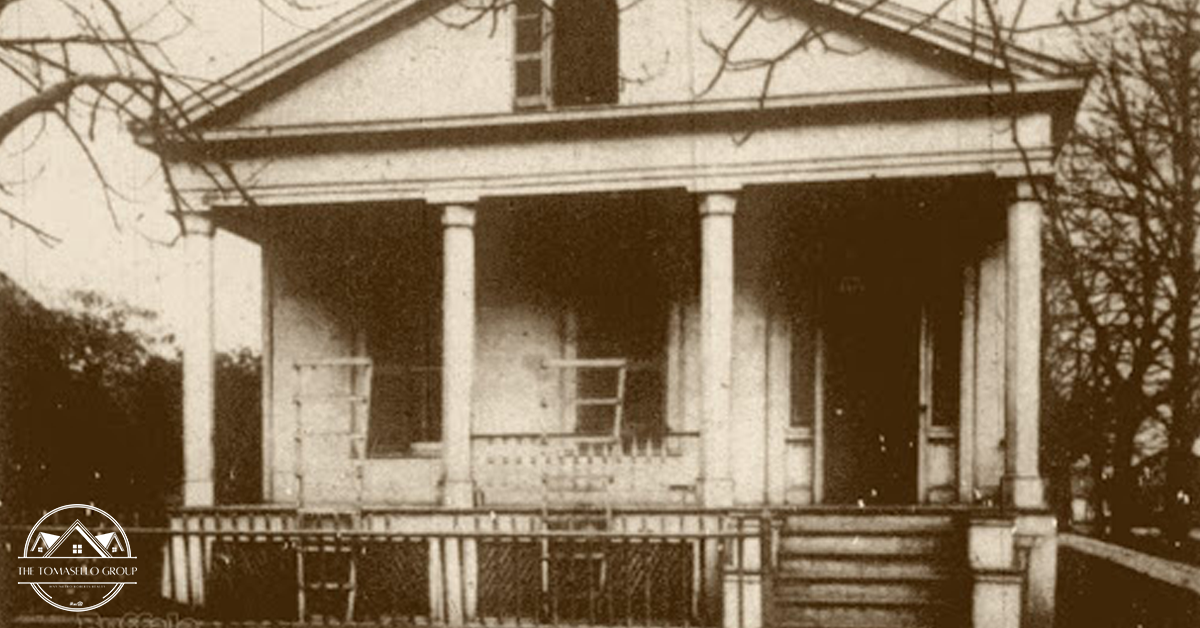
Nestled along the picturesque shores of Lake Erie in Buffalo, New York, lies the vibrant neighborhood of Black Rock. Known for its rich history, diverse community, and stunning waterfront views,

Dated: February 20 2024
Views: 16

As a Native WNYer, I am passionate real estate and making sure that you and your family find the right place at the right price. With over 20 Years of Industry Experience, I am well versed with t....
Nestled along the picturesque shores of Lake Erie in Buffalo, New York, lies the vibrant neighborhood of Black Rock. Known for its rich history, diverse community, and stunning waterfront views,
Introduction: Nestled along the shores of Lake Ontario, Black Rock, New York, is a community brimming with culture, history, and a vibrant calendar of yearly events. From celebrating local
Introduction: Nestled within the heart of New York, Black Rock is a neighborhood brimming with character and charm. Amidst its bustling streets and historic landmarks lie hidden gems that cater to
Nestled along the eastern shores of Lake Ontario, the quaint town of Black Rock, New York, holds within its boundaries a rich tapestry of history that spans centuries. From its indigenous roots to
 The Greater Syracuse Association of REALTORS ®: The data relating to real estate on this web site comes in part from the Internet Data Exchange (IDX) Program of the CNYIS, powered by CNYIS. Real estate listings held by firms other than WNY Metro Roberts Realty, are marked with the IDX logo and detailed information about them includes the Listing Broker's Firm Name. All information deemed reliable but not guaranteed and should be independently verified. All properties are subject to prior sale,
change or withdrawal. Neither the listing broker(s) nor this site's owner shall be responsible for any typographical errors, misinformation, misprints, and shall be held totally harmless.
© Central New York Information Service, Inc. All rights reserved.
Show More...
The Greater Syracuse Association of REALTORS ®: The data relating to real estate on this web site comes in part from the Internet Data Exchange (IDX) Program of the CNYIS, powered by CNYIS. Real estate listings held by firms other than WNY Metro Roberts Realty, are marked with the IDX logo and detailed information about them includes the Listing Broker's Firm Name. All information deemed reliable but not guaranteed and should be independently verified. All properties are subject to prior sale,
change or withdrawal. Neither the listing broker(s) nor this site's owner shall be responsible for any typographical errors, misinformation, misprints, and shall be held totally harmless.
© Central New York Information Service, Inc. All rights reserved.
Show More...
 The data relating to real estate on this web site comes in part from the Internet Data Exchange (IDX) Program of NYSAMLS. Real estate listings held by firms other than WNY Metro Roberts Realty, are marked with the IDX logo and detailed information about them includes the Listing Brokers Firm Name.
Disclaimer: All information deemed reliable but not guaranteed and should be independently verified. All properties are subject to prior sale, change or withdrawal. Neither the listing broker(s) nor
WNY Metro Roberts Realty shall be responsible for any typographical errors, misinformation, misprints, and shall be held totally harmless. © 2026 CNYIS, GENRIS, WNYREIS. All rights reserved.
Show More...
The data relating to real estate on this web site comes in part from the Internet Data Exchange (IDX) Program of NYSAMLS. Real estate listings held by firms other than WNY Metro Roberts Realty, are marked with the IDX logo and detailed information about them includes the Listing Brokers Firm Name.
Disclaimer: All information deemed reliable but not guaranteed and should be independently verified. All properties are subject to prior sale, change or withdrawal. Neither the listing broker(s) nor
WNY Metro Roberts Realty shall be responsible for any typographical errors, misinformation, misprints, and shall be held totally harmless. © 2026 CNYIS, GENRIS, WNYREIS. All rights reserved.
Show More...
